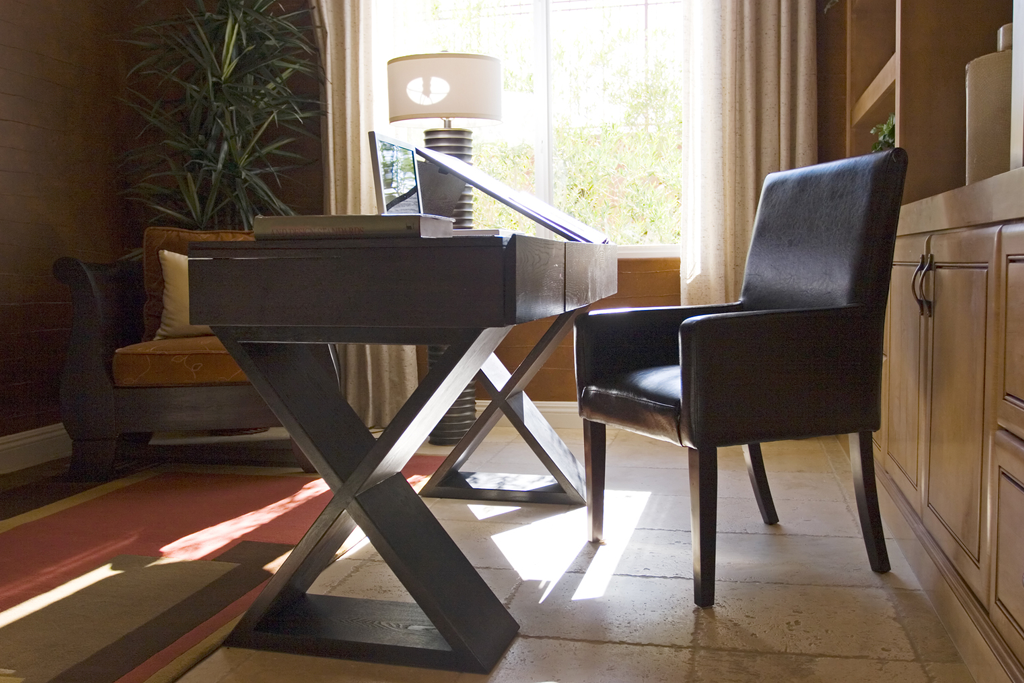
As a freelancer, working from home is often considered one of the biggest perks of the job and for many, it is. However, not all freelancers love the work-from-home life and benefit from having somewhere else to work from, such as a co-working space.
Author: Elizabeth Hughes
Lots of freelancers work from home, often finding it to be cheaper and more convenient than finding workspace elsewhere. Working from home means you don’t need to take on the cost of a separate location, whilst making it simpler to work the hours that suit you in an environment you have control over.
If you’re new to freelancing and have previously been an employee, getting to grips with the taxes you must pay as a self-employed person can be a headache. Most employees have everything taken care of for them by their employer through Pay as You Earn (PAYE), but self-employed freelancers have to take responsibility for paying their own taxes.
No – freelancers don’t have to register as a limited company. You can run your freelance business as a sole trader, a limited company, or even in a partnership; the choice is yours, and it can change as your business grows. Each option works differently when it comes to liability, admin, and tax, so it’s worth understanding what’s involved before you decide. While we always recommend seeking professional advice for your specific circumstances, here’s an overview of how sole traders and limited companies compare. Freelancing as a sole trader The natural step for most freelancers is to register with…
As a freelancer, carrying out the actual work is only half the battle – you’ve got to be able to win the work first. That’s why honing your pitching skills and adapting them to different situations is so important. Sending an email to introduce yourself needs a completely different approach to how you pitch for work on a freelance talent site.
Since the COVID pandemic, working from home has become significantly more commonplace.
Yes – if you run a mobile business, you can claim travel expenses for journeys to and from a temporary place of work, such as a client’s premises. This includes costs like fuel, train and bus fares, parking, and road tolls. There are a couple of exceptions worth knowing about though: the 24-month rule and the 40% rule, which affect whether a workplace still counts as “temporary” if you’re there often or for a long stretch. Here’s what counts as a mobile business, what you can claim for, and how those two rules work in practice. What qualifies as a…
The working world has changed drastically over the last few years, with the days of job-for-life, 9-5 factory workers long gone. You are more likely to find freelancers working from coffee shops, part-time delivery drivers cycling along the road, or contractors who operate as their own limited company.
The quick answer? No, your employer won’t automatically find out if you’re self-employed. In this day and age, having a side hustle is becoming pretty commonplace. Supplementing a salary with a second (or even third) source of income is a great way to expand your skills offering and of course, bump up your bank balance. It’s a great way to earn some extra cash, grow your network, indulge in your passions and continue to diversify your talents.
So you have decided to become a freelancer, be your own boss and cut loose from the apron strings of your permanent job. Sadly, starting out isn’t always as easy as ‘relaxed working locations’ and branded coffee.